

Within the current interconnected global landscape, companies are continually seeking methods to broaden their reach and enhance their processes. One ever popular solution is the establishment of FTWZ. These specialized areas provide a one-of-a-kind blend of advantages designed to facilitate international commerce, support logistics, and enhance supply chain effectiveness. For companies aspiring to penetrate global markets, understanding how Free Trade Warehousing Zones function can be the key to accessing new opportunities.
This comprehensive guide will explore the fundamental aspects of FTWZ, from the fiscal advantages they provide to the supply chain solutions they present. We will look into the distinctions between FTWZ and SEZ, analyze the compliance regulations involved, and showcase the diverse investment prospects available. Whether you are an international trade company, a growing e-commerce business, or simply keen in improving your operational expenses, this guide seeks to equip you with the information needed to thrive in international commerce.
Advantages of Free Trade Warehousing Zones
FT Warehousing Areas offer a plethora of benefits that can substantially enhance the operational capabilities of organizations engaged in global trade. free trade warehousing zone of the primary advantages is the ability to keep goods avoiding import duties or taxes until the products are actually imported into the nation. This characteristic allows firms to oversee their inventory more successfully and minimize costs associated with holding large inventory levels, which leads to improving financial flexibility.
Furthermore, these areas provide businesses with simplified customs procedures, which can drastically reduce the period and challenges involved in shifting goods across borders. Importers and exporters can utilize effectual logistics solutions tailored to expedite the transport of goods. This not just enhances supply chain efficiency but also enables companies to respond quickly to market demands, making it simpler to adapt to fluctuations in global market needs or supply.
Additionally, the strategic position of FT Warehousing Areas can greatly enhance global market access. By locating operations in these areas, businesses can tap into established trade routes and benefit from minimized transportation costs. This not only provides a strategic advantage but also opens up additional avenues for market entry, enabling organizations to expand their reach and establish a robust presence in multiple international landscapes.
Functional and Tax Advantages
Warehousing Zones offer substantial operational benefits, especially in distribution and supply chain management. Businesses can store goods without incurring tariffs until they are ready for shipping. This flexibility allows organizations to act swiftly to consumer needs and optimize supply. Additionally, the streamlined regulations in these zones cut down on holdups, boosting efficiency and enabling faster market entry for goods.
From a tax viewpoint, businesses operating within a FTWZ can take advantage of various incentives. These zones commonly provide reliefs from import duties and value-added tax on items stored and processed, leading to considerable savings. Furthermore, the attractive tax regimes in some jurisdictions can lure foreign investments, making it lucrative for businesses to create businesses within these zones.
Overall, the blend of lowered overhead expenses and advantageous tax policies makes warehousing zones an attractive option for organizations wanting to enhance their market position in overseas markets. By leveraging https://oakmontforum.com/members/osvftwz119/activity/155764/ , organizations can dedicate on increasing their customer base and improving financial performance while navigating the nuances of worldwide commerce.
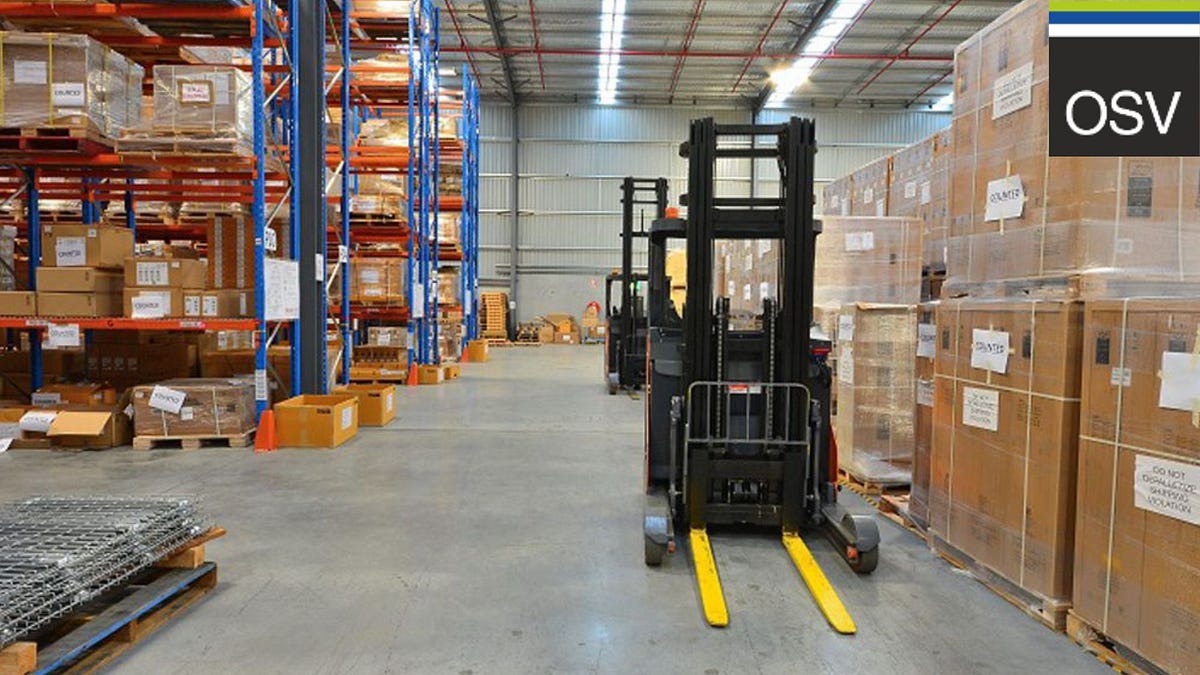
Funding and Worldwide Market Opportunities
Liberated trade warehousing zones offer unparalleled funding possibilities for organizations seeking to extend their footprint into overseas markets. By providing a duty and duty-free setting, these zones attract both domestic and foreign investments. Companies can establish operations without the weight of tariffs, allowing them to devote more resources to expansion, investigation, and development. This financial edge can be a significant factor for firms evaluating their global approaches.
The global industry accessibility provided by liberated trade warehousing areas is a game changer for companies, especially in fields such as digital commerce, assembly, and supply chain management. Firms benefit from streamlined customs procedures and reduced lead times, allowing them to react swiftly to consumer needs and changes. This agility not only enhances competitive edge but also allows companies to trial and bring to market new services in multiple global markets with reduced hazard.
Furthermore, capital injection in liberated trade warehousing zones contributes to enhanced distribution efficiency. With a solid warehousing infrastructure and coordinated logistics strategies, companies can enhance stock control and distribution networks. This strategic placement leads to decreased operational overheads and better service delivery, ultimately elevating a business’s standing in the international arena. As the requirement for international business continues to grow, the importance of leveraging open trade warehousing zones will only increase.