

In a more interconnected worldwide economy, businesses are regularly looking for creative ways to boost their operational efficiency and grow their market reach. One such opportunity exists in the establishment of Free Trade Warehousing Zones, which merge the advantages of warehousing and international trade to create a unique business environment. These zones grant a variety of benefits, from tax incentives to streamlined logistics solutions, making them an attractive option for importers, exporters, and e-commerce companies alike.
A Free Trade Warehousing Zone acts as a hub for goods, allowing businesses to keep, process, and ship products without the onerous tariffs typically related to international trade. By understanding the key characteristics and pros of these zones, entrepreneurs can leverage the power of free trade warehousing to refine their supply chains, cut operational costs, and achieve unprecedented access to global markets. This article will examine the essential aspects of Free Trade Warehousing Zones, providing a thorough guide for businesses evaluating this important investment.
Benefits of Free Trade Warehousing
Trade warehousing zones offer numerous advantages to businesses engaged in global trade. One of the main advantages is the substantial tax saving options available. Companies can typically postpone or totally avoid duties on imported goods stored within these zones. This not only reduces the upfront investment costs but also allows for more favorable pricing in foreign markets, enhancing the potential for greater sales and profitability.
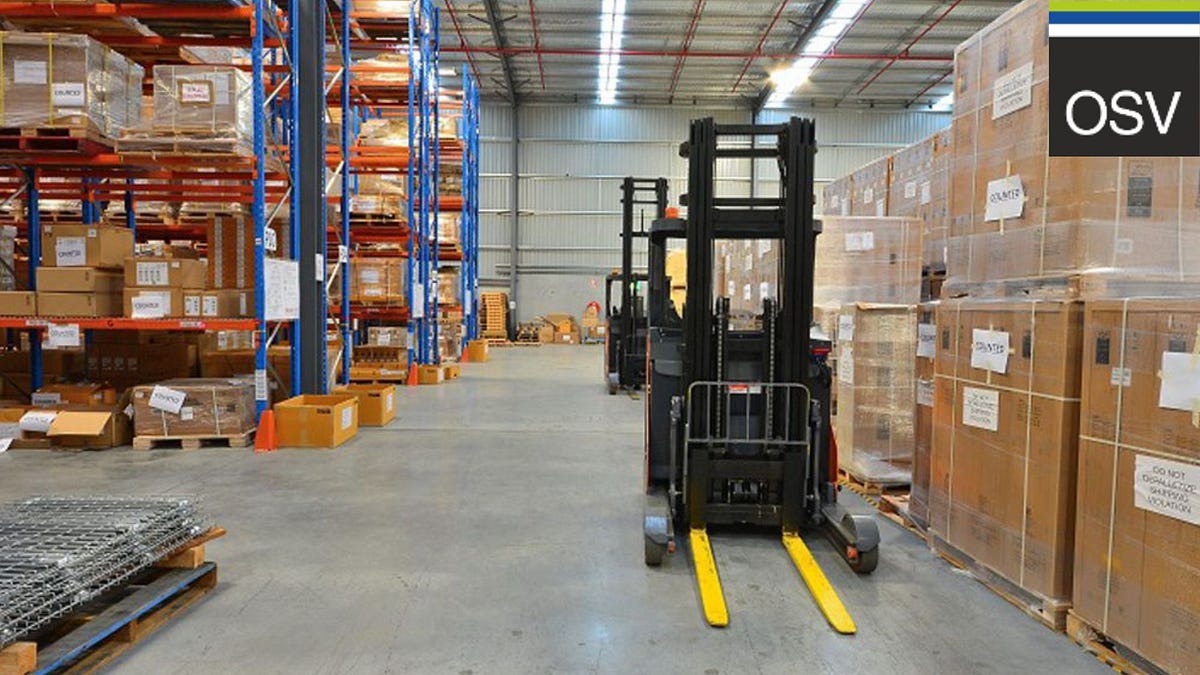
Another critical benefit is the better logistics and operational efficiency that these zones deliver. With optimally situated warehousing facilities, businesses can streamline their supply chain activities. This means swifter access to goods, shorter lead times, and improved inventory management. The nearness to important transport links further improves distribution capabilities, facilitating for companies to reach both domestic and global markets efficiently.
Moreover, free trade warehousing zones foster an ecosystem that encourages innovation and investment. Companies functioning in these areas typically have access to customs support solutions that simplify conformance with international trade regulations. custom bonded warehouse conserves time but also reduces the administrative burden, permitting businesses to focus on expansion and growth prospects in an ever more competitive world market.
Adherence and Regulations
Setting up operations in a Free Trade Warehousing Zone necessitates compliance with particular regulatory and frameworks set by federal and regional governments. Businesses must handle customs regulations that dictate how goods arrive, are kept, and potentially leave the warehouse. Proper documentation is essential to confirm that all imported and outgoing goods qualify for the benefits associated with the free trade arrangement, which includes exemptions from specific tariffs and duties.
Additionally, companies must comply with health, safety, and environmental standards to operate within these zones. This can entail ensuring that warehouses meet designated construction codes and functionality guidelines. Non-compliance with these standards can lead to penalties or revocation of the zone benefits, so it’s vital for businesses to keep updated and flexible in their compliance efforts.
Furthermore, businesses should be cognizant of the reporting requirements set forth by regulatory authorities. Regular audits and reports may be part of the compliance landscape. Keeping detailed records and being prepared for inspections contributes to smoother operations and mitigates risks associated with regulatory failures, allowing companies to focus on their core business activities without interruption.
Investment Possibilities
Free Trade Warehousing Areas present a variety of investment options for both domestic and international companies. The strategic placement and fiscal benefits offered by these areas make them an appealing option for businesses looking to minimize costs while enhancing their market presence. ftwz can benefit from lower taxes, exemptions from VAT, and additional financial advantages, which make it easier to establish and run enterprises in these areas. This conducive environment fosters innovation and promotes the development of different industries.
Furthermore, the facilities available within Free Trade Warehousing Zones is designed to improve operational efficiency and supply chain management. With cutting-edge warehousing facilities, transportation networks, and customs support, companies can optimize their operations, thereby increasing productivity and reducing delivery times. This setting is particularly beneficial for online businesses, as they can quickly move goods to customers while avoiding the challenges of conventional warehousing and distribution channels.
Furthermore, Free Trade Warehousing Zones are ideal for beginning investors looking at entry into the global trade landscape. With extensive assistance and compliance guidance, companies can manage the early stages of setup and functioning with effortlessness. Additionally, as the global economy continues to develop, these zones are likely to adapt as well, adapting to new market needs and obstacles, ensuring that prospects remain robust and appealing for the foreseeable future to come.